AI Shifts Engineering From Specialized Tasks to Systems Coordination
As artificial intelligence automates early technical steps, engineers must pivot toward cross-disciplinary systems thinking and human accountability.

EXECUTIVE BRIEF // KEY TAKEAWAYS
As artificial intelligence automates early technical steps, engineers must pivot toward cross-disciplinary systems thinking and human accountability.
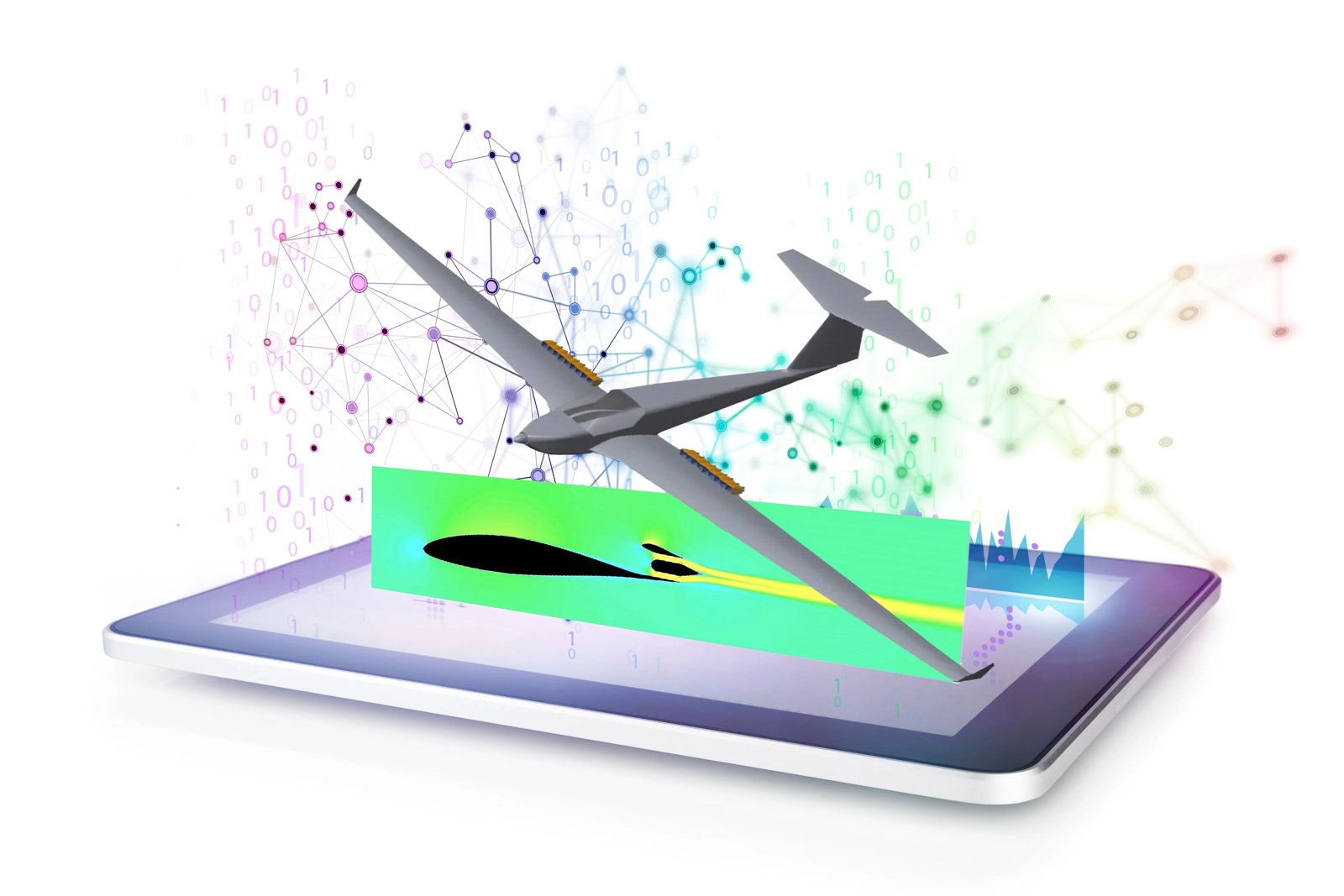
The integration of artificial intelligence into modern technical workflows is reshaping the core responsibilities of engineers, shifting their primary focus from executing isolated technical steps to orchestrating complex interactions among machine outputs, domain specialists, and human judgment, according to an analysis published by IEEE Spectrum.
For global enterprise leaders, technology executives, and engineering organizations, this evolution carries significant operational implications. While artificial intelligence tools can accelerate early-stage research, technical standards searches, design generation, and simulation testing—tasks that previously required multiple contributors with distinct skill sets—the ultimate responsibility for safety, contextual feasibility, and user impact remains strictly human. Organizations that treat AI as a replacement for deep disciplinary expertise risk deploying systems optimized for flawed premises or incomplete technical constraints.
Bridging Disciplinary Silos Without Erasing Expertise
Historically, engineering has been divided into specialized disciplines—such as electrical, mechanical, civil, and software engineering—because mastering each field requires years of dedicated training. According to IEEE Spectrum, artificial intelligence does not eliminate the need for this foundational knowledge; rather, it lowers the barrier for engineers to explore facets of a problem that lie outside their immediate specialty.
In domains such as medical device development, energy, transportation, and manufacturing, a technical challenge may originate as a software problem before rapidly intersecting with hardware constraints, safety protocols, economic realities, human behavior, and regulatory frameworks. A software engineer developing a medical device, for instance, can use AI to review biomedical literature, decode unfamiliar terminology, analyze preliminary data, and construct an initial model. While this capability does not turn a software developer into a physician or biomedical specialist, it equips the engineer to formulate more precise questions before collaborating with clinical experts.
"An engineer's value is not in knowing everything. It is in knowing how to frame the problem, how to ask the right questions, how to test the answers, and when another expert must lead the project."
This dynamic elevates the necessity of systems thinking—the practice of examining a problem holistically to understand how interdependent components influence one another, where potential failure points reside, and how competing constraints must be balanced. Because real-world engineering challenges rarely remain static, new empirical evidence frequently exposes hidden limitations or invalidates an initial hypothesis, requiring engineers to continuously refine project scopes rather than adhere rigidly to initial specifications.
Operational Limits of Machine Output and the Mandate for Judgment
The operational divide between automated capability and human oversight is defined by the inherent limitations of current AI models. As detailed in the IEEE Spectrum report, artificial intelligence excels in tasks driven by speed, scale, pattern recognition, and data generation, yet it frequently produces plausible-sounding outputs built on weak assumptions. An AI tool may generate code that passes one test environment while failing in another, summarize scientific literature without discerning the strength of the underlying evidence, or optimize a design toward an inappropriate objective.
In a practical workflow—such as designing a new medical sensor—an AI system can generate multiple structural candidates and predict their performance metrics. However, validating those predictions requires a multi-layered human review process. An engineer must verify that the designs comply with strict technical specifications, a clinician must evaluate whether the device is practical in a real-world care setting, and patients or practitioners may identify usability flaws that neither the software developer nor the lead engineer anticipated. In this structure, the engineer operates both as a domain specialist and as a central coordinator of interdisciplinary knowledge.
Standardizing Human-Machine Collaboration Across Industries
Looking ahead, the transition toward what IEEE Spectrum characterizes as the "unbound" engineer presents urgent governance and standardization challenges for the broader technology sector. Every day, engineering teams face critical operational questions regarding when AI-generated work requires independent verification, how model uncertainty should be formally documented, when a domain specialist must assume decision-making authority, and where legal and professional accountability lies when a system blends machine output with human judgment.
Rather than leaving individual corporations or project managers to improvise these protocols in isolation, professional bodies such as the IEEE are positioned to establish portable, industry-wide standards for human-machine collaboration. By fostering cross-disciplinary communities focused on complex challenges—including trustworthy clinical AI, resilient infrastructure, energy reliability, scientific discovery, and safe autonomous systems—technical organizations can establish unified expectations that travel with engineers across industries and specialties.