AI Shifts, Bionic Trials, and Talent Hunts Reshape Tech
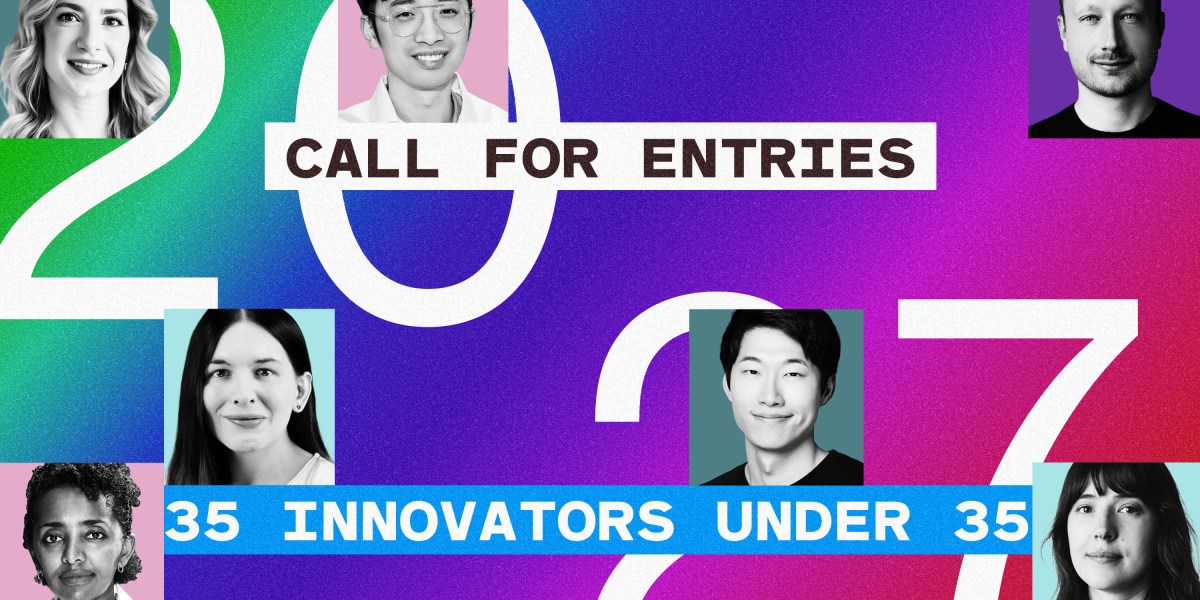
MIT Technology Review opens Innovators Under 35 nominations as advanced bionic prosthetics and semiconductor restrictions reshape global markets.
EXECUTIVE BRIEF // KEY TAKEAWAYS
MIT Technology Review opens Innovators Under 35 nominations as advanced bionic prosthetics and semiconductor restrictions reshape global markets.
According to the MIT Technology Review, the global technology landscape is undergoing simultaneous transformation through talent discovery, medical engineering breakthroughs, and shifting geopolitical trade constraints. The publication officially opened nominations for its annual Innovators Under 35 competition, seeking out young researchers, entrepreneurs, and inventors worldwide who are engineering solutions to complex societal challenges. This talent search coincides with clinical trials of cutting-edge bionic prosthetics that offer unprecedented insight into human neurology, even as sweeping semiconductor export restrictions and emerging cybersecurity incidents alter the operational environment for international capital markets and enterprise infrastructure.
Global Talent Identification and the Innovators Under 35 Initiative
The annual Innovators Under 35 list, administered by the MIT Technology Review, focuses on identifying exceptional scientists and founders under the age of 35 who are engineering solutions to formidable global problems, ranging from human disease to climate change. Candidates must be under 35 years of age on October 1, 2027, and can be based anywhere globally. The recognition highlights early-career breakthroughs, clever inventions, and scientific discoveries designed to address systemic vulnerabilities. As enterprise organizations and academic institutions race to solve mounting technological hurdles, identifying early-stage innovators provides a vital barometer for emerging applied sciences.
Neurological Insights and Advanced Prosthetic Clinical Trials
Beyond talent acquisition, recent medical engineering breakthroughs are bridging human biology and advanced robotics. As detailed by the source publication, clinical trials involving advanced bionic prosthetics—such as those utilized by trauma therapist and participant Avi Davidson—allow patients not only to move but also to experience tactile sensation through artificial limbs. Before the trial commenced, researchers mapped how his missing left hand was represented in the brain. Investigators are now observing whether neural representations adapt to the new technology, opening new avenues of research for understanding the human mind and assisting individuals born without limbs.
Semiconductor Trade Restrictions and Regional Market Shifts
In the commercial and geopolitical sphere, hardware restrictions are aggressively reshaping Asian artificial intelligence markets. According to reports cited by the MIT Technology Review, Nvidia has halted server shipments to four Southeast Asian countries amid tightening regulatory compliance. Concurrently, Singapore has lobbied the United States to preserve its access to advanced AI chips. Regional economies have grown heavily dependent on Nvidia hardware, yet the restrictions have produced immediate market anomalies, including record surges for Chinese chip stocks and continued robust demand for AI-linked exports across Asia. These shifts illustrate the fragile interdependencies defining the global semiconductor supply chain.
Cybersecurity Vulnerabilities and Enterprise Digital Infrastructure
Enterprise and government digital infrastructure face escalating threats, underscored by recent high-profile security breaches. The MIT Technology Review noted that hackers successfully breached the flagship cloud platform of the US Air Force, compromising sensitive tactical, personnel, and logistics data. Separate cyber incidents targeted international sports organizations and the United Kingdom's pension and benefits systems, highlighting persistent vulnerabilities in critical digital architecture as institutional reliance on cloud-hosted operations expands.
Commercial Integration and Future Regulatory Outlook
As international markets navigate hardware bottlenecks and security threats, retail and consumer technology sectors are bracing for intense digital integration. AI shopping bots developed by major technology enterprises including Google, Amazon, Meta, and OpenAI are currently undergoing a trillion-dollar holiday season test as consumers increasingly rely on automated tools for purchasing decisions. Retailers, facing a dramatic rise in automated consumer interactions, have called for new regulatory guardrails. Strategic implications moving forward center on how regulatory bodies will manage the dual pressures of hardware export enforcement, encryption security integrity, and the rapid deployment of autonomous agentic systems across the global digital economy.


