A24 Faces Scrutiny Over Billy Evans Profit Deal in Hit Holmes Film
Scrutiny over A24's documentary 'You Can See Everything' highlights growing ethical and financial tensions surrounding documentary subject compensation.
EXECUTIVE BRIEF // KEY TAKEAWAYS
Scrutiny over A24's documentary 'You Can See Everything' highlights growing ethical and financial tensions surrounding documentary subject compensation.
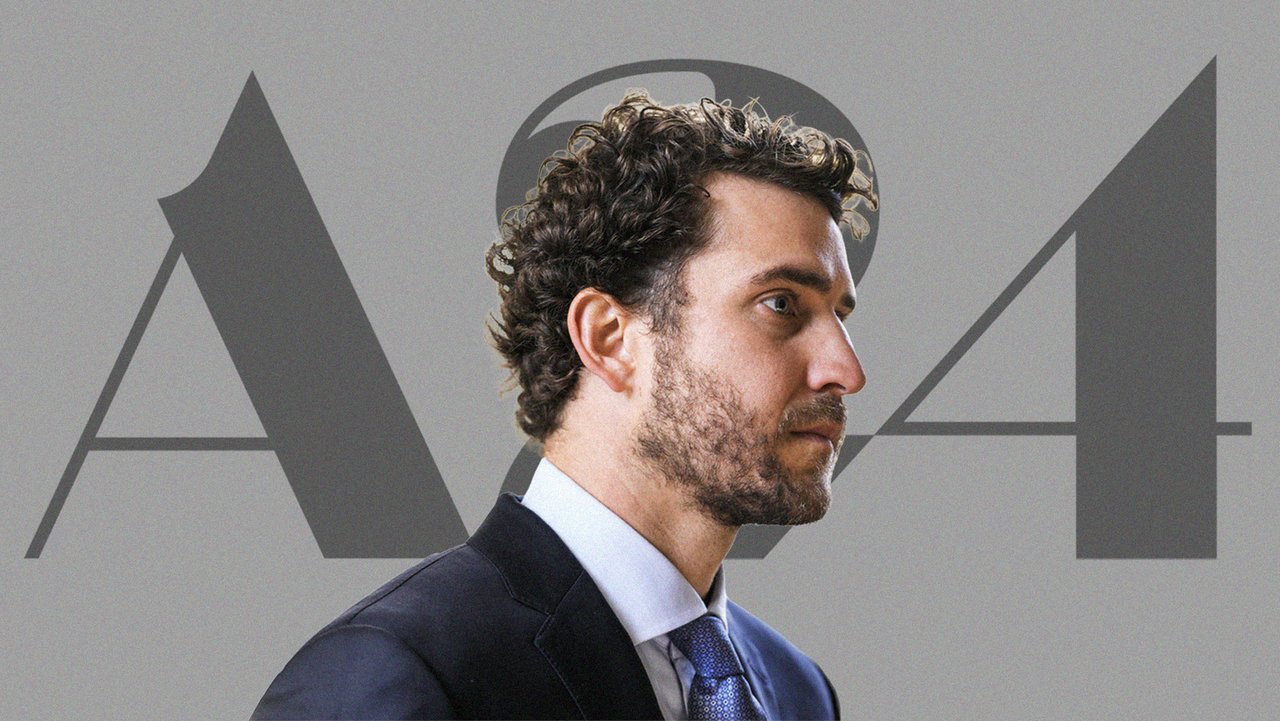
A burgeoning controversy surrounding the financial mechanics of A24’s documentary “You Can See Everything” has ignited fresh debate across the entertainment sector over transparency in non-fiction filmmaking. According to an investigative report published by The Hollywood Reporter and detailed by Fast Company, Billy Evans, the partner of convicted Theranos founder Elizabeth Holmes, did not entirely forfeit his financial stake in the lucrative film as indicated by on-screen disclosures, but instead had his profit share redirected toward an unnamed children’s charity. The revelation complicates the narrative established in the documentary’s closing moments, where a title card informed audiences that Evans had formally walked away from commercial participation following principal photography.
The dispute exposes mounting friction at the intersection of high-stakes corporate documentary production, capital returns, and media ethics. As corporate scandal and true-crime chronicles increasingly yield box-office figures comparable to traditional studio franchises, the financial arrangements between producers and subjects have come under intense scrutiny from industry analysts and commercial distributors. With independent studios deploying substantial capital into non-fiction properties, the ambiguity surrounding profit-participation agreements, charitable reallocations, and audience-facing disclosures risks blurring established industry boundaries regarding subject remuneration and documentary integrity.
Contractual Revisions and Disputed Disclosures
The controversy centers on the narrative architecture of “You Can See Everything,” co-directed by Nathan Fielder and Lance Oppenheim. While the project initially tracks Holmes during the final month preceding her prison sentence, the production shifts during its second half into an examination of Evans’ commercial pact with A24 to receive a cut of the film’s profits. Throughout the production, Fielder openly questions how much Holmes herself understood regarding the underlying financial arrangements. Because Evans is framed as a quasi-villain throughout the runtime, the prospect of public ticket revenues directly enriching him prompted widespread discomfort among moviegoers.
To alleviate those concerns, the documentary concluded with an explicit post-production title card stating that Evans “decided to give up his right to profit on the movie” shortly after filming concluded. However, two anonymous industry sources told The Hollywood Reporter that rather than outright terminating the financial agreement, Evans and A24 amended their contract to divert his payout into an unnamed children’s charity. An A24 representative subsequently confirmed the existence of the amended agreement, though the studio declined to clarify why that detail was omitted from the final theatrical title card.
Evans addressed his motivations for altering the initial contract during an interview with The Hollywood Reporter, portraying the adjustment as a concession to safeguard the documentary’s reception:
“They said that it would help the project. Time and time again, when there’s things that I really didn’t want to do that they said would be helpful for making a better movie and helping people see Liz more clearly, I made those sacrifices or decisions to help the project. I am totally stubborn, but if there’s anything that I can do to help Liz regardless of the cost, I will do it.”
Commercial Scale and Conflicting Industry Accounts
The financial ramifications of the revised profit agreement are amplified by the historic commercial performance of the film. This week, “You Can See Everything” crossed $100 million in global box office revenue, cementing its status as the fifth-highest-grossing non-concert documentary of all time. While the precise percentage allocated under Evans’ amended contract remains undisclosed, the production’s nine-figure gross ensures that the diverted earnings represent a substantial sum rather than nominal compensation.
Following publication of the investigation, the creative team behind the documentary contested the characterization that the film’s concluding title card was disingenuous. Reporting by Semafor indicated that Fielder and Oppenheim addressed the matter during a weekend question-and-answer session, arguing that the trade publication’s wording was inaccurate and emphasizing that none of the documentary’s subjects were paid. Furthermore, a studio source told Semafor that Evans had fully relinquished his profit-sharing deal, asserting that the charitable donation emerged as a separate, mutual agreement between Evans and A24.
That distinction was firmly rejected by The Hollywood Reporter’s editorial leadership. In an email statement addressing the studio’s defense, Editor-in-Chief Maer Rosham maintained the validity of the original reporting, stating that A24’s perspective “seems like a pretty semantic argument.”
Strategic Implications for Non-Fiction Media Economics
The dispute underscores the operational and reputational challenges facing independent entertainment studios as documentary features evolve into massive commercial assets. Historically, journalistic conventions within documentary filmmaking have maintained stringent resistance against compensating subjects, a principle designed to avoid conflicts of interest and protect factual credibility. However, as studios navigate multi-layered documentary structures that blend observational footage with meta-commentary on the production itself, traditional contractual frameworks are increasingly tested.
Looking ahead, entertainment executives and media analysts anticipate heightened scrutiny surrounding title card disclosures, talent agreements, and third-party charitable diversions in commercial non-fiction releases. If box-office-tier capital continues to flood the non-fiction market, production houses will likely face intensifying pressure from both industry observers and audiences to implement transparent disclosure standards. As studios balance commercial profitability against creative authenticity, the distinction between fully relinquished financial stakes and structured philanthropic offsets will remain a closely watched precedent for future documentary transactions.


